
Why your Mumbai restaurant isn't on Google Maps (and Zomato won't save you)
You're packed on weekends but invisible on Google. Zomato brings orders — but Google brings walk-ins, birthday bookings, and 'best restaurant near me' searches. Here's how to fix your Google Maps presence.
A restaurant owner in Bandra calls me. His place is packed on Friday nights. Great Zomato rating — 4.3, 800+ reviews. Instagram looks beautiful. But when someone searches “restaurant near Bandra West” on Google Maps, he doesn’t appear. The café that opened six months ago — half his reviews, worse food — shows up first.
“I’m on Zomato. Why doesn’t Google show me?”
Because Zomato and Google are different ecosystems. Being on one doesn’t help you on the other. And increasingly, the customers worth the most — walk-ins, birthday bookings, corporate dinners, tourists — find restaurants on Google, not Zomato.
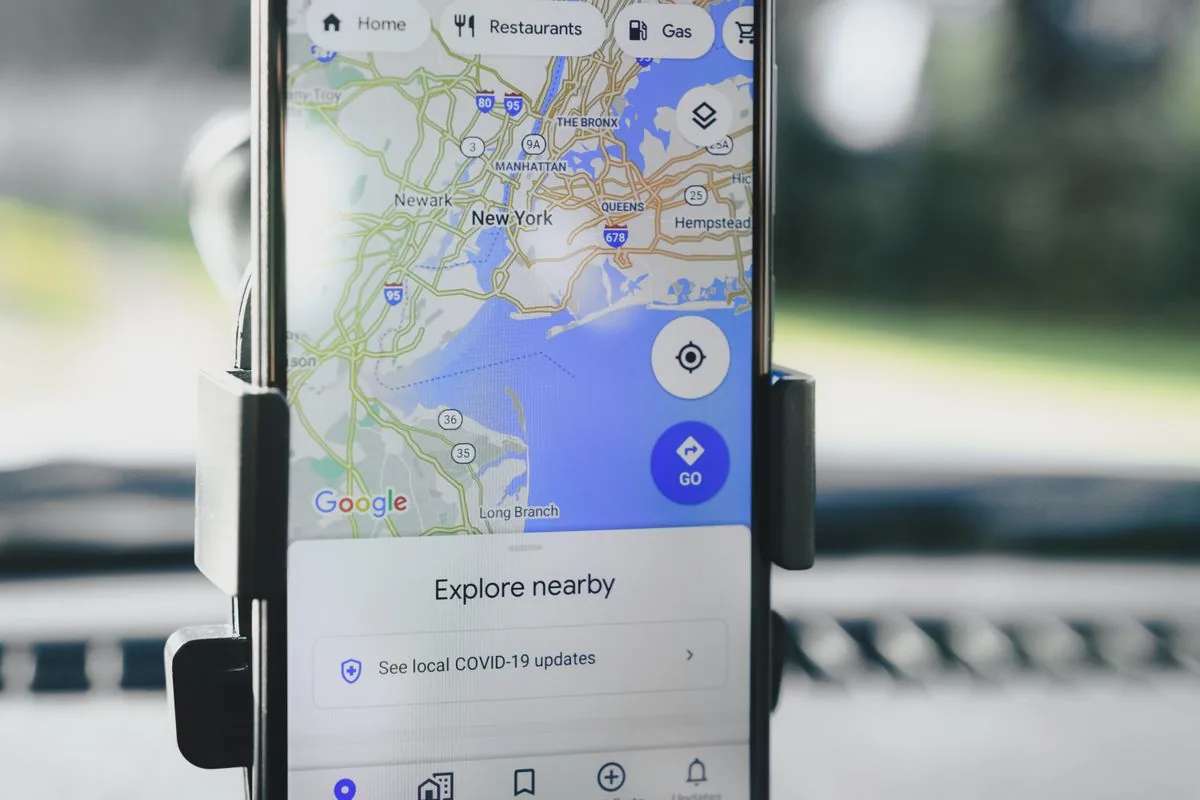 When someone searches “restaurants near me” on Google Maps, they’re ready to walk in. If you’re not there, that customer goes to whoever is.
The Google vs Zomato discovery split
Here’s how restaurant discovery actually works in Mumbai in 2026:
| Discovery channel | Type of customer | Revenue per customer | Your control |
|---|---|---|---|
| Zomato/Swiggy | Delivery orders, discount hunters | ₹300–600 (minus 25-30% commission) | Low — platform controls ranking, pricing, visibility |
| Followers, trend-chasers | Variable — often footfall, not revenue | Medium — you control content, not reach | |
| Google Maps | Walk-ins, “near me” searchers, tourists, event planners | ₹800–3,000+ (full margin, no commission) | High — you control your listing entirely |
| Word of mouth | Regulars, referrals | Highest LTV | None — organic, can’t scale directly |
The Google Maps customer is the most profitable customer you’re not reaching. They’re searching with intent (“dinner in Bandra,” “café near Andheri station,” “birthday party restaurant Powai”), they’re ready to visit today, and you keep 100% of the bill.
Zomato is important. But Zomato takes 25-30% commission on delivery, controls your ranking with their algorithm, and trains your customers to be price-sensitive. Google Maps sends you full-margin walk-ins who found you on their own.
Why your restaurant isn’t showing up
1. Your Google Business Profile isn’t verified
This is the #1 reason. You assumed it was set up because your restaurant appears on Google Maps as a pin. But there’s a difference between existing on Maps (anyone can add a location) and having a verified, managed profile that ranks in search.
Go to business.google.com right now. If your restaurant doesn’t show up under your login, it’s either unverified or someone else claimed it (sometimes a former business partner or a marketing agency you no longer work with).
An unverified profile is essentially invisible in competitive searches.
2. Your primary category is wrong
Google gives you one primary category. For restaurants, this matters enormously:
Common mistakes:
- Listed as “Restaurant” when you’re specifically “North Indian Restaurant” (too broad — you compete with everyone)
- Listed as “Bar” when you’re primarily a restaurant that serves alcohol (wrong intent match)
- Listed as “Café” when you’re a full restaurant (different search queries)
How to check: Search “restaurants near [your area]” on Google Maps. What category do the top 3 results use? Use the most specific category that accurately describes you.
The restaurant in Bandra I mentioned? He was listed as “Restaurant.” His competitor was listed as “Italian Restaurant.” When someone searched “Italian food near Bandra,” the competitor showed up. He didn’t. Same cuisine. Different visibility.
3. Your photos are terrible (or missing)
Google prioritises listings with high-quality, recent photos. The algorithm literally measures photo quality, recency, and quantity.
Most Mumbai restaurants make one of two mistakes:
- No photos at all — they assume Zomato photos are enough (Google can’t see those)
- Old, dark, phone-camera shots from the opening day three years ago
What Google wants to see:
- Exterior shots — your storefront, signage, entrance (helps Google verify your location and helps customers find you physically)
- Interior shots — ambience, seating, decor (this sells the experience)
- Food photos — your 5–8 best dishes, well-lit, plated, current menu items
- Team/staff photos — builds trust, shows real people
- Event/celebration photos — birthday setups, group dining (targets event searches)
Upload at least 15–20 photos. Add 2–3 new ones every month. Restaurants that post fresh photos regularly get 35% more direction requests and 42% more website clicks than those that don’t.
4. Your hours and details are wrong
Sounds basic. But I audit Mumbai restaurant profiles regularly and find:
- Hours not updated — closed on Monday but profile says open (gets marked “permanently closed” by user reports)
- Phone number is the owner’s personal mobile that goes unanswered during service hours
- No website link — or linking to the Zomato page instead of your own site
- Missing attributes — dine-in, takeaway, delivery, outdoor seating, reservation available, wheelchair accessible — all unchecked
Google uses this information to match your listing to search queries. “Restaurant with outdoor seating in Bandra” won’t find you if you haven’t checked that attribute — even if you have a lovely terrace.
5. You have almost no Google reviews
Your 800 Zomato reviews are meaningless on Google. Google Maps rankings are driven by Google reviews. If your competitor has 120 Google reviews and you have 8, they win.
The restaurant review system that works:
- Print a QR code that links directly to your Google review page
- Place it on every table, at the billing counter, and on takeaway packaging
- Train your staff: after a compliment (“food was amazing!”), respond with “Thank you! If you have 30 seconds, a Google review would really help us. There’s a QR on the table.”
- Respond to every Google review — positive and negative — within 24 hours
A realistic target: 10–15 new Google reviews per month for a medium-sized Mumbai restaurant. In 6 months, you’ll have 60–90 reviews — enough to compete in the Map Pack.
The 30-day restaurant Google Maps playbook
Week 1: Claim and complete
- Verify your Google Business Profile at business.google.com
- Set the most specific primary category (e.g., “Mughlai Restaurant” not just “Restaurant”)
- Add 3–5 secondary categories (Delivery Restaurant, Dine-in Restaurant, Takeaway Restaurant)
- Complete every field: hours, phone, website, menu link, price range, attributes
- Write a 750-character description mentioning your cuisine, area, and specialities naturally
Week 2: Visual overhaul
- Upload 20 photos: exterior (3), interior (5), food (8), team (2), events (2)
- Add a logo and cover photo
- Shoot 2–3 short food preparation or ambience videos (Google supports video uploads)
Week 3: Reviews launch
- Create your direct Google review link
- Print QR codes for tables, counter, and takeaway packaging
- Brief staff on the review ask (“after compliments, mention the QR”)
- Respond to all existing reviews
- Ask 10 regulars for Google reviews via WhatsApp this week
Week 4+: Ongoing
- Post a Google Business update 2–3 times per week (new dish, event, offer, behind-the-scenes)
- Upload 2–3 new photos weekly
- Respond to every review within 24 hours
- Track: views, direction requests, calls, website clicks in GBP Insights
What Zomato can’t do for you
Zomato is a marketplace. You’re one of 15,000 restaurants on the platform in Mumbai. They control:
- Your ranking (their algorithm, not yours)
- Your pricing (pressure to run discounts and Gold deals)
- Your margins (25-30% commission on delivery)
- Your customer relationship (they own the customer data)
Google Maps is your listing. You control every word, photo, and response. The customer calls you directly, walks in directly, books directly. No commission. No algorithm you can’t influence. This is also why my agency builds restaurants simple websites with WhatsApp ordering — so the customer who finds you on Google lands on something you own, not your Zomato page.
The smartest Mumbai restaurants invest in both — but they stop treating Zomato as their primary discovery channel and start treating Google as the one they own.
Your restaurant is probably great. The problem isn’t the food — it’s that Google doesn’t know you exist. Fix that, and the walk-ins follow.
The step-by-step profile work is in the Google Business Profile playbook; the review engine is in zero reviews to review moat.