
Zero Google reviews? Why your Mumbai business is invisible
Your competitor has 120 Google reviews. You have 3. That's why they show up on Maps and you don't. Here's how Mumbai businesses can build a review engine — without bribing customers or buying fakes.
A CA firm in Powai calls me. They’ve been in practice for 11 years. Great clients. Good revenue. But when someone searches “chartered accountant near Powai” on Google, they don’t appear.
Their competitor across the road — 4 years in practice, smaller team — shows up in the Map Pack with 87 reviews and a 4.8 rating.
The CA firm has 2 Google reviews. Both from 2022.
This is the single most fixable problem in local marketing. And almost every Mumbai business ignores it.
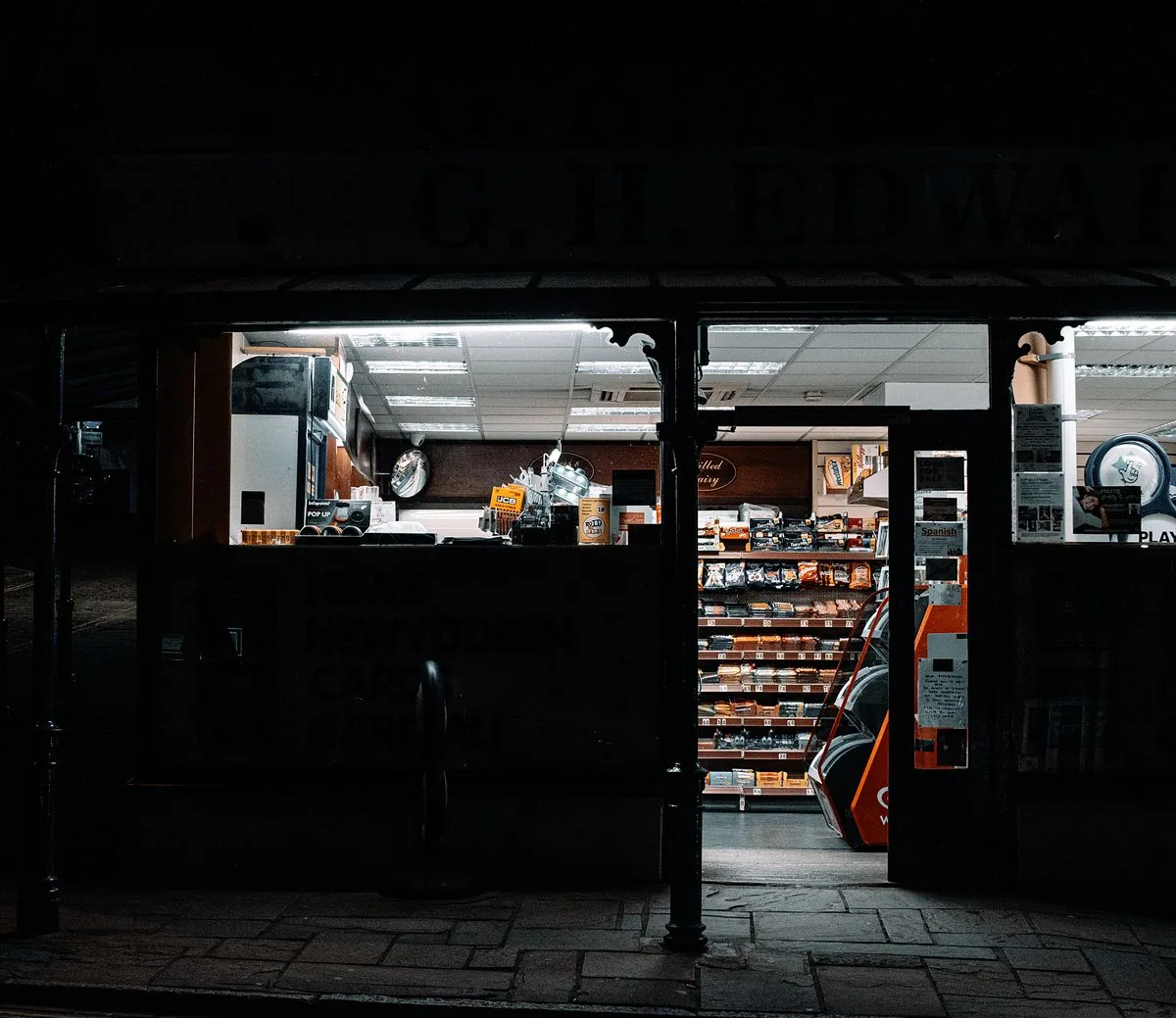 Great service, loyal customers, zero Google reviews. This is the default state for 90% of Mumbai’s small businesses — and it’s costing them new customers every day.
Why Google reviews matter this much
Google’s local ranking algorithm weighs three things:
- Relevance — Does your business match the search query?
- Distance — How close are you to the searcher?
- Prominence — How well-known and trusted is your business online?
Reviews are the largest controllable factor in prominence. A business with 80 genuine reviews and a 4.5+ rating will outrank a business with 2 reviews in the Map Pack — even if the 2-review business is closer to the searcher.
The data is brutal:
- Businesses in the Google Map Pack (top 3 local results) have an average of 47 reviews
- 93% of consumers say online reviews influence their purchasing decisions
- 87% of consumers won’t consider a business with fewer than 3 stars
- The difference between 3.5 and 4.5 stars can mean a 25% difference in revenue
In a city like Mumbai where every neighbourhood has five businesses offering the same service, reviews are the tiebreaker.
Why Mumbai businesses specifically struggle with reviews
1. “Our work speaks for itself”
This mindset is endemic among established Mumbai professionals — CAs, doctors, lawyers, architects. They’ve built practices on referrals for decades. Asking for a review feels undignified.
The problem: referrals work for people who already know you. Google reviews work for people who don’t. You need both.
2. They ask on the wrong platform
“We have 200 reviews on Justdial!” Great — but Google doesn’t care about your Justdial reviews when ranking Maps results. Google cares about Google reviews.
Justdial, Sulekha, Practo, Zomato — these platforms have their own ecosystems. They don’t feed into Google’s local algorithm. You need reviews on Google specifically.
3. They ask at the wrong time
The best time to ask for a review is the moment of peak satisfaction — right after a successful delivery, a positive result, a delightful experience. Mumbai businesses either never ask, or ask weeks later by email when the moment has passed.
4. They make it too complicated
“Please go to Google, search for our business, click on the reviews section, and leave a review.” That’s five steps too many. Most customers won’t complete this. You need to hand them a direct link that opens the review form in one tap.
The review engine: a system, not a campaign
Collecting reviews isn’t a one-time push. It’s a system that runs as part of your business operations. Here’s how to build it.
Step 1: Create your direct review link
Google provides a direct URL that opens the review form for your business. To find it:
- Go to your Google Business Profile
- Click “Ask for reviews” (or “Get more reviews”)
- Copy the link provided
Save this link. You’ll use it everywhere.
Step 2: Build the ask into your workflow
| Business type | When to ask | How to ask |
|---|---|---|
| CA / professional services | After filing completion or advisory engagement | WhatsApp message with link, 24 hours after delivery |
| Restaurant / cafe | After meal, at billing | Table card with QR code, or WhatsApp message to regulars |
| Clinic / doctor | After appointment, at checkout | SMS with review link, sent automatically by reception |
| Salon / spa | Immediately after service | Stylist asks in person + follows up with WhatsApp link |
| E-commerce / D2C | After delivery confirmed | Automated email 3 days post-delivery with review link |
| Agency / consultant | After project milestone or quarterly review | Personal email from the account lead |
The script that works:
“Hi [name], thanks for choosing us. If you had a good experience, a quick Google review would really help other people find us. Here’s the link — takes 30 seconds: [link]”
No pressure. No incentive. Just a clear, easy ask.
Step 3: Respond to every review
Every. Single. One.
Positive reviews: Thank them by name. Reference something specific about their visit or project. This shows future readers that you’re attentive.
“Thanks Priya! Glad the quarterly filing went smoothly this year. See you in September.”
Negative reviews: Respond publicly within 24 hours. Acknowledge the issue. Offer to resolve offline. Never argue.
“Hi Rahul, I’m sorry about the wait time. That’s not our standard. I’d like to make it right — could you reach out to us at [email/phone]? We’ll take care of it.”
Google’s algorithm rewards businesses that respond to reviews. It signals active management.
Step 4: Set a velocity target
Consistency matters more than volume. A business that gets 5 reviews per week for 6 months outranks one that gets 50 reviews in one week and then nothing.
Realistic targets for Mumbai businesses:
- Solo professional (CA, lawyer, doctor): 2–4 reviews/month
- Local service business (salon, clinic): 4–8 reviews/month
- Restaurant / retail: 8–15 reviews/month
- E-commerce / D2C: 10–20 reviews/month
Step 5: Never, ever buy fake reviews
I need to say this explicitly because every second Mumbai business owner has been pitched “100 Google reviews for ₹10,000” by some agency.
Google detects fake reviews. They use IP patterns, reviewer history, timing analysis, and natural language processing. When caught:
- The fake reviews are removed
- Your listing may be suspended
- A suspension can take weeks to resolve — during which you’re completely invisible on Maps
- Repeat violations can get your listing permanently removed
The business that got 100 fake reviews and a suspension is now in a worse position than the one with 2 honest reviews. I’ve seen this play out at least a dozen times with Mumbai businesses.
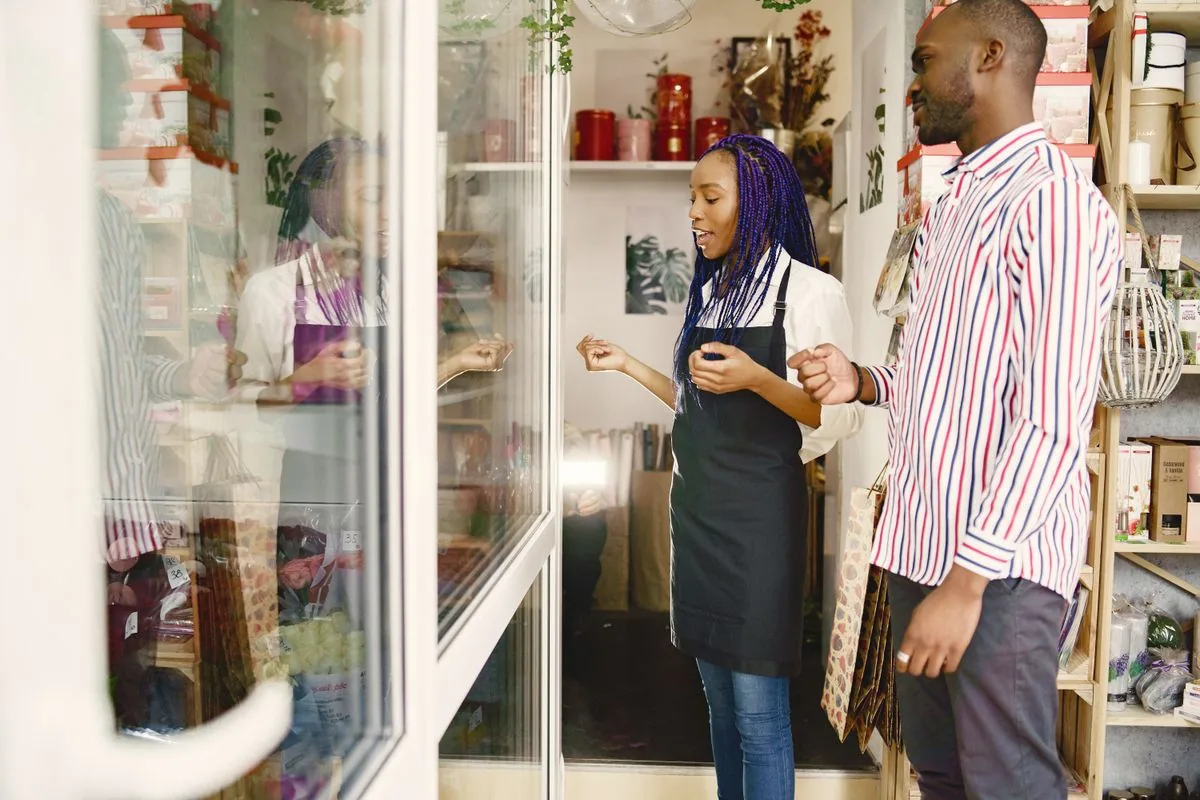 The best review strategy is embarrassingly simple: do good work, then ask. Most businesses skip the second part.
Quick wins for Mumbai businesses right now
This week:
- Find your Google review link and save it to your phone’s notes
- Send a WhatsApp message to your 10 most satisfied recent customers asking for a review
- Respond to every existing Google review you haven’t responded to
This month:
- Print a QR code with your review link and put it at your reception/billing counter
- Add your review link to your email signature
- Brief your team (reception, account managers, stylists) on when and how to ask
- Set up a monthly review tracking spreadsheet: date, reviewer, rating, responded?
This quarter:
- Reach 25+ reviews with a 4.5+ average
- Add reviews to your website (Google reviews widget or manual testimonials page)
- Start tracking which team members generate the most review requests (reward them)
The compound effect
Here’s what happens when a Mumbai business goes from 3 reviews to 50+ reviews over 6 months:
- Google Maps visibility increases — you start appearing in the Map Pack for your primary keywords
- Click-through rate improves — searchers see your star rating and review count before clicking
- Conversion rate improves — visitors who read reviews are more likely to call, book, or visit
- Referrals compound — “I found them on Google Maps, great reviews” becomes a new acquisition channel
- Competitor gap widens — the longer you run the system, the harder it is for a new competitor to catch up
Reviews are the most underrated growth lever for Mumbai businesses. Not ads. Not social media. Not SEO tricks. Just good work, followed by a polite ask, repeated consistently.
The businesses that dominate Google Maps in every Mumbai neighbourhood didn’t do anything clever. They just started asking — and they never stopped.
Reviews are one of the three levers in the Google Business Profile playbook — categories and completeness are the other two. Worth reading together.