
The 'near Andheri station' trick: how Mumbai actually searches Google
Mumbai doesn't search like other cities. People search by railway station, not just area name. 'CA near Dadar station,' 'dentist near Borivali station' — if your business doesn't optimise for station-based searches, you're invisible to half your potential customers.
Here’s something nobody in SEO talks about because most SEO experts don’t live in Mumbai.
When a Mumbai resident searches for a local service, they don’t just search “dentist in Andheri.” They search:
- “dentist near Andheri station”
- “CA near Dadar station”
- “salon near Borivali West station”
- “coaching classes near Malad station”
- “gym near Bandra station”
Mumbai’s search behaviour is uniquely shaped by its railway network. The Western, Central, and Harbour lines aren’t just transport — they’re how Mumbaikars mentally map the city. People choose services based on proximity to their home station or office station. Not the neighbourhood name. The station.
This creates an SEO opportunity that almost no Mumbai business is exploiting.
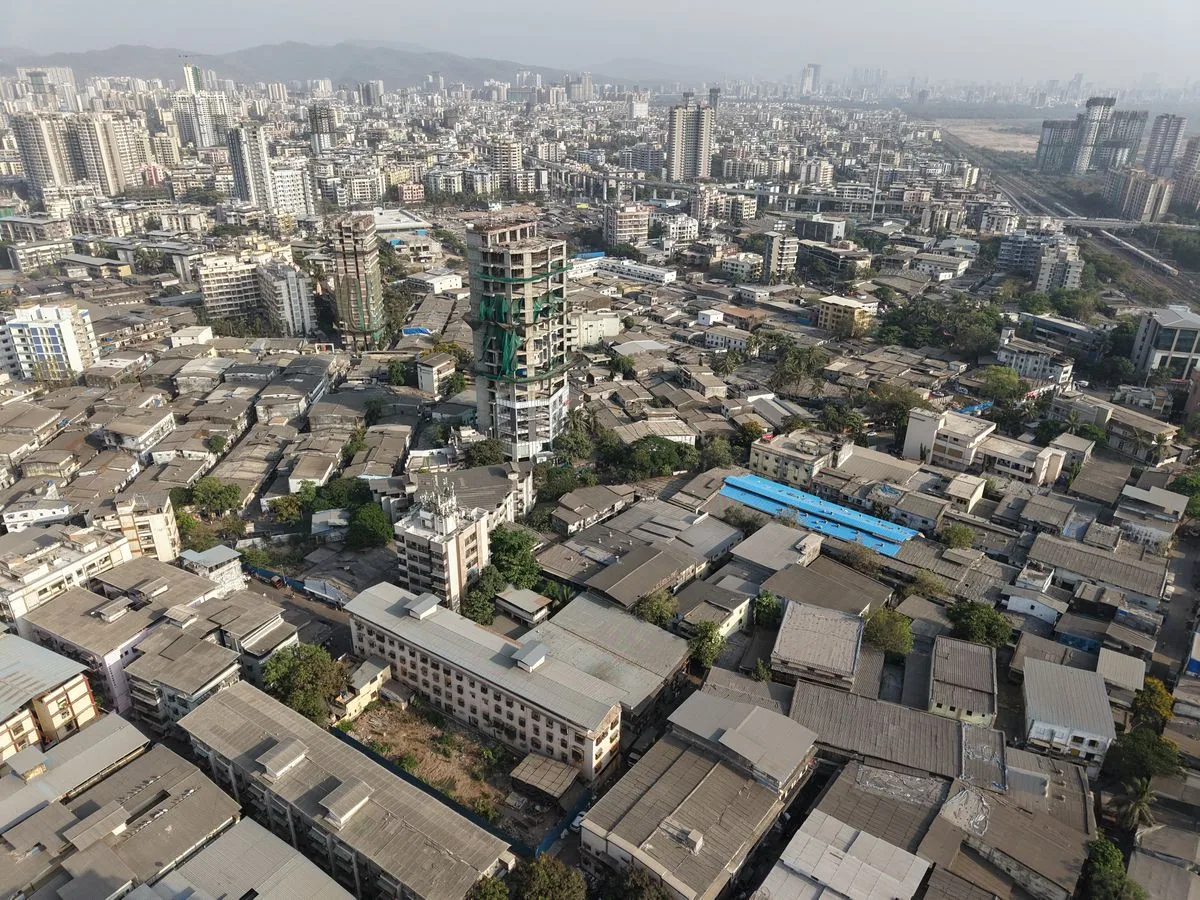 Mumbai’s local search behaviour follows the railway lines. If you’re optimising for “Andheri” but not for “near Andheri station,” you’re missing half the intent.
Why station-based searches matter
The commuter logic
A professional working in BKC who lives near Borivali station makes decisions along the railway line:
- Morning: “breakfast near Borivali station” (before boarding)
- Evening: “gym near BKC” (after work) or “gym near Borivali station” (near home)
- Weekend: “dermatologist near Borivali” (convenience) or “dermatologist near Andheri” (if recommended)
The station is the anchor point. Not the pin code. Not the municipal ward. The station.
The search volume is real
Look at what Google autocomplete suggests for Mumbai:
- “dentist near Andheri station” — not just “dentist in Andheri”
- “CA near Dadar station” — not just “CA in Dadar”
- “salon near Bandra station” — not just “salon in Bandra”
- “physiotherapist near Thane station” — not just “physiotherapist in Thane”
- “coaching classes near Borivali station” — not just “coaching classes in Borivali”
Google is showing these suggestions because thousands of people search this way every month. These are high-intent, ready-to-visit searches from people who are literally planning their route.
The competition gap
Here’s the opportunity: almost no Mumbai business optimises for station-based keywords. Their Google Business Profile description says “located in Andheri West.” Their website mentions “Andheri” but never “near Andheri station.” Their blog posts target “best CA in Andheri” but never “CA near Andheri station.”
The business that deliberately includes station proximity in their content captures these searches with almost zero competition.
How to optimise for station-based searches
1. Google Business Profile
In your business description (750 characters), naturally include your proximity to the nearest station:
“Located on SV Road, Jogeshwari West — a 5-minute walk from Jogeshwari station (Western line). We serve clients across Andheri, Goregaon, and the Western suburbs.”
In your address/directions, use the “From the business” section to add:
“5-minute walk from Jogeshwari station, Western line. Take the West exit, walk towards SV Road.”
In your posts, occasionally mention station proximity:
“New evening batch starting! Our centre is just 3 minutes from Andheri station — convenient for working professionals.”
2. Website content
On your homepage or contact page, include a section like:
How to reach us
- Nearest station: Andheri (Western line) — 5 min walk
- Bus routes: 203, 211, 322
- Landmark: Opposite [known landmark]
On your service pages, work station names into the copy naturally:
“Whether you’re near Andheri station for work or Bandra station for home, our clinic is accessible from both the Western and Harbour lines.”
Create a “How to reach us” page (or a section on your contact page) with detailed directions from the nearest station. Include walking time, which exit to use, and landmarks along the way. This page ranks for “[your service] near [station name]” queries.
3. Blog content
Write posts that naturally include station-based keywords:
- “Best breakfast spots near Churchgate station” (for a restaurant)
- “Tax filing help near Dadar station” (for a CA firm)
- “After-work yoga classes near Andheri station” (for a studio)
These aren’t keyword-stuffed articles. They’re genuinely useful content for people searching by station — and they rank because so few businesses create them.
4. Schema markup
In your LocalBusiness schema, include the nearest public transport:
{
  "@type": "ProfessionalService",
  "name": "Your Business",
  "address": { ... },
  "publicAccess": true,
  "isAccessibleForFree": false,
  "description": "Located 5 minutes from Andheri station (Western line)"
}
The station-based content strategy
For any local business in Mumbai, here’s a content plan built around station-based search behaviour:
Map your station catchment
Draw a circle around your business. Which stations are within a 15-minute commute?
A clinic in Jogeshwari West might serve:
- Jogeshwari station (5 min walk) — primary
- Andheri station (one stop on Western line) — secondary
- Goregaon station (one stop on Western line) — secondary
- Ram Mandir station (Harbour line) — if accessible
Each of these stations represents a pool of commuters who search by that station name.
Create content for each station
Not separate pages for each station (that’s thin, duplicate content). Instead, naturally reference multiple stations in your content:
In your FAQ section:
Q: How far are you from Andheri station? A: Our clinic is one station from Andheri on the Western line (Jogeshwari station). The total journey is about 8 minutes including the walk from Jogeshwari station.
In a blog post:
“If you’re searching for a physiotherapist near Andheri station or Goregaon station, our clinic in Jogeshwari is right between the two — a 5-minute walk from Jogeshwari station on the Western line.”
Target the commuter journey
Mumbai professionals make service decisions based on their daily commute. Content that acknowledges this wins:
- “Open till 8pm — convenient for Western line commuters heading home after work”
- “Saturday walk-in hours: no appointment needed, 3 minutes from [station]”
- “Early morning slots available from 7am — see us before you catch the 8:15 to Churchgate”
This isn’t SEO trickery. It’s recognising how your customer actually lives and searching, and making your content match their reality.
Which Mumbai stations have the highest search value?
Based on commuter volume and commercial activity, these stations generate the most “near [station]” service searches:
Western line (highest volume):
- Andheri — agencies, startups, professional services
- Bandra — D2C brands, restaurants, boutiques
- Borivali — residential, family services, coaching
- Malad — mix of residential and commercial
- Goregaon — film city adjacent, creative services
- Dadar — central hub, everything
Central line:
- Thane — satellite city, huge residential catchment
- Ghatkopar — metro interchange, growing commercial
- Kurla — logistics, trading, wholesale
- Dadar — shared with Western line
Harbour line:
- Vashi/Navi Mumbai — corporate parks, IT services
- Panvel — growing residential
- Chembur — mixed use
Metro lines (growing):
- Metro stations are newer search anchors. “Near Andheri Metro” is growing as Metro 1 ridership increases. Metro 2A and 7 (DN Nagar to Dahisar) are creating new search patterns along the Western suburbs.
The compounding effect
Most Mumbai local SEO advice says “optimise for your area name.” That’s table stakes. It’s what everyone does.
Station-based optimisation is the layer on top that nobody’s doing. A clinic that ranks for both “physiotherapist in Andheri” AND “physiotherapist near Andheri station” captures two distinct search patterns with almost zero additional effort.
Over 6-12 months, a Mumbai business that systematically includes station references in their Google Business Profile, website content, and blog posts builds a local search presence that competitors can’t match — because the competitors are still optimising for neighbourhood names alone.
Mumbai searches differently because Mumbai moves differently. The Western line isn’t just a railway — it’s a search pattern. Optimise for it, and you’re meeting customers where they actually are: planning their day around the train.